Benefits of Installing Smart Lighting in Your Office
Modern office environments increasingly consider how lighting systems can contribute to operational efficiency and occupant well-being. Smart lighting, which integrates control technologies such as automated scheduling and motion sensors, offers a structured approach to managing illumination in commercial spaces. Rather than relying solely on manual switches or static timers, these systems use data from occupancy patterns, time of day, and natural light availability to adjust lighting levels automatically. This approach aims to align energy use with actual need while creating a more adaptable workspace.
For organizations exploring ways to refine their energy management strategies, understanding the mechanics and potential implications of smart lighting is a logical starting point. The discussion that follows outlines the core features of automated scheduling and motion detection, how they interact with office routines, and the factors that may influence both energy consumption and employee comfort. By examining these elements from a methodological perspective, decision-makers can better evaluate whether such a system fits their operational goals.
Companies like Luminous Solutions offer platforms that combine these technologies into cohesive frameworks, though the principles discussed here apply broadly across the industry. The focus remains on the processes and contextual factors that shape outcomes, rather than on guaranteed results.
Understanding Automated Scheduling in Office Lighting
Automated scheduling refers to the programming of lighting systems to follow predefined timetables based on typical office occupancy. This method involves setting times for lights to turn on, dim, or switch off according to expected work hours, break periods, and cleaning schedules. The logic behind scheduling is straightforward: lighting is only active when spaces are likely to be occupied. However, implementation requires careful consideration of shift patterns, meeting schedules, and seasonal variations in daylight availability.
One common approach is to divide the office into zones—such as open-plan areas, private offices, meeting rooms, and corridors—and assign distinct schedules to each zone. For example, an open-plan area might be set to full illumination from 7:00 AM to 6:00 PM, with gradual dimming in the early morning and late afternoon to complement natural light. Meeting rooms may operate on a demand-based schedule, with lights triggered by room booking systems or manual override. The key is that the schedule serves as a baseline, not a rigid constraint, allowing for adjustments through sensors or user inputs.
The effectiveness of scheduling depends on how accurately it reflects actual occupancy patterns. Facilities managers often analyze historical data or conduct walk-through audits to refine timetables. Over time, software updates and machine learning capabilities can further optimize schedules by learning from real-time usage. While scheduling can reduce energy waste during unoccupied periods, its impact is contingent on the precision of the programming and the willingness of occupants to accept automated transitions.
The Role of Motion Sensors in Energy Management
Motion sensors complement scheduling by providing real-time occupancy detection. These sensors, commonly based on passive infrared (PIR) or ultrasonic technology, monitor for movement within a defined area. When motion is detected, the lighting system responds by raising levels to a preset brightness; after a period of no detection, lights gradually dim or switch off. This mechanism ensures that unoccupied spaces do not remain lit, even if the schedule would otherwise keep them active.
Integration of motion sensors requires careful zoning. A single sensor may cover a cubicle cluster, a small office, or a restroom. The sensitivity, time delay, and coverage area must be calibrated to avoid false triggers or premature shutoffs. For instance, in an open-plan office, a sensor with a wide field of view might detect movement from an adjacent aisle, causing lights to stay on unnecessarily. Conversely, a sensor that is too narrow may leave a workspace dark when an employee is seated quietly. Balancing these parameters is a process that benefits from iterative testing.
Motion sensors also enable task-based lighting control. In areas where employees move frequently—such as hallways, break rooms, or storage zones—sensors can maintain a lower baseline level and increase illumination only when someone is present. This strategy can contribute to overall energy reduction, but the actual savings depend on factors like sensor accuracy, occupancy patterns, and the baseline light level chosen. It is important to note that while motion sensors can lower the amount of time lights are on, they do not directly affect the intensity of light used during occupied times unless paired with dimming controls.
Enhancing Employee Comfort Through Adaptive Lighting
Beyond energy considerations, smart lighting systems offer features that may influence occupant comfort. Adaptive lighting adjusts color temperature and intensity throughout the day to mimic natural daylight cycles. This capability, often referred to as circadian lighting, is based on research linking light exposure to alertness and sleep regulation. By tuning light from cool, blue-enriched tones in the morning to warmer tones in the afternoon, the system aims to support a natural rhythm.
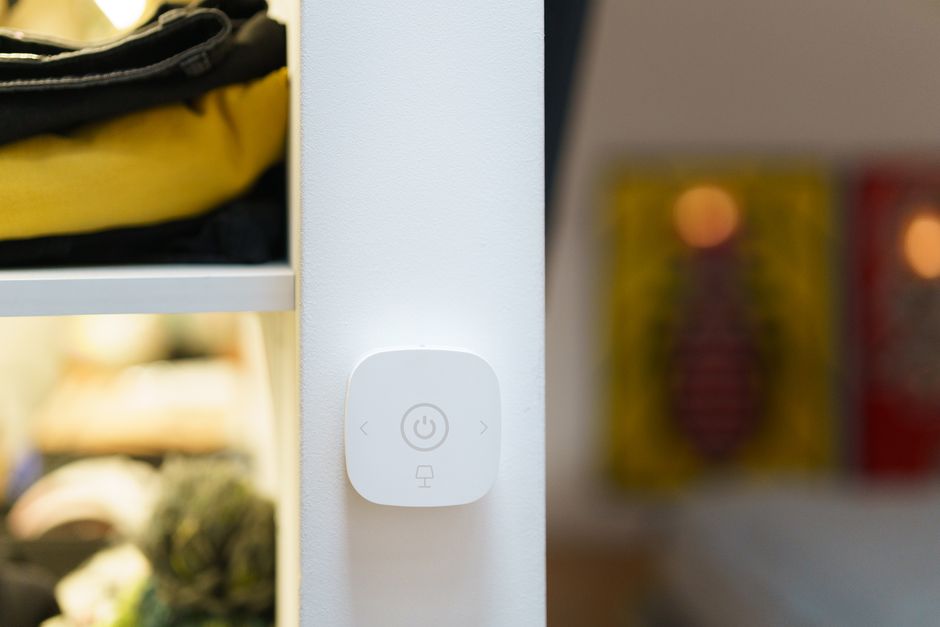
Personalized control is another comfort-related feature. Some smart lighting solutions allow employees to adjust the brightness or color of their immediate workspace via a smartphone app or desktop interface. This autonomy can help individuals address specific visual tasks or personal preferences without affecting neighboring areas. In systems that use addressable luminaires, each light fixture can be controlled independently, enabling granular adjustments.
However, the comfort benefits of adaptive lighting are not universal. Individual responses to color temperature variations differ, and some people may find certain settings uncomfortable or distracting. The effectiveness of such systems depends on the range of adjustability provided, the quality of the light sources, and the degree of user control. Additionally, the implementation of adaptive lighting requires careful coordination with existing daylight patterns and office layout to avoid glare or uneven illumination. Employers considering these features should treat them as tools that offer potential rather than guaranteed enhancements, and they should involve employees in the configuration process when possible.
Implementation Considerations and Best Practices
Installing a smart lighting system involves several phases that influence its performance and acceptance. An initial assessment of the office layout, existing electrical infrastructure, and typical occupancy patterns is essential. This assessment helps determine the appropriate zoning strategy, sensor placement, and integration with other building systems such as HVAC or window blinds. A professional lighting audit can identify areas where automation offers the most relevance, such as low-traffic zones or spaces with inconsistent usage.
Commissioning—the process of configuring and testing the system—requires attention to detail. Each sensor’s detection range, time-out duration, and sensitivity should be adjusted based on the specific space. For example, a conference room that is used intermittently may benefit from a shorter time delay, while a corridor might need a longer delay to avoid frequent switching. Software interfaces must be set up with clear user permissions, and maintenance protocols should be established to replace faulty components or update firmware.
Training and communication with employees are also important. Occupants need to understand how the system works, what to expect regarding light levels, and how to override settings if needed. Providing clear documentation and a point of contact for issues can reduce frustration and encourage acceptance. Over time, data collected from the system can be reviewed to fine-tune schedules and sensor parameters, making the system more responsive to actual usage patterns.
Long-Term Value and Scalability
Smart lighting systems are designed to be scalable, meaning that additional zones or features can be integrated as the office grows or changes. Modular components—such as individual luminaires with embedded sensors—allow for incremental upgrades without replacing the entire infrastructure. This scalability can be a consideration for businesses planning for expansion or reconfiguration of workspaces.
Software updates and cloud-based management platforms can extend the functionality of a smart lighting system over time. New features, such as energy reporting dashboards or integration with calendar systems for meeting room scheduling, may become available through firmware updates. The ability to monitor energy consumption at a granular level can provide insights for broader facility optimization efforts. Nonetheless, the long-term value of such systems depends on ongoing maintenance, the stability of the technology provider, and the willingness of the organization to adapt to new capabilities.
It is also worth noting that the benefits of smart lighting are not solely measured in kilowatt-hours or employee satisfaction scores. The systematic approach to lighting management can create a more predictable environment, reduce the administrative burden of manual controls, and provide data that supports informed decision-making. These outcomes, while not guaranteed, represent potential advantages for offices that carefully implement and maintain such systems.