How to Choose the Right Light Fixture for Your Living Room
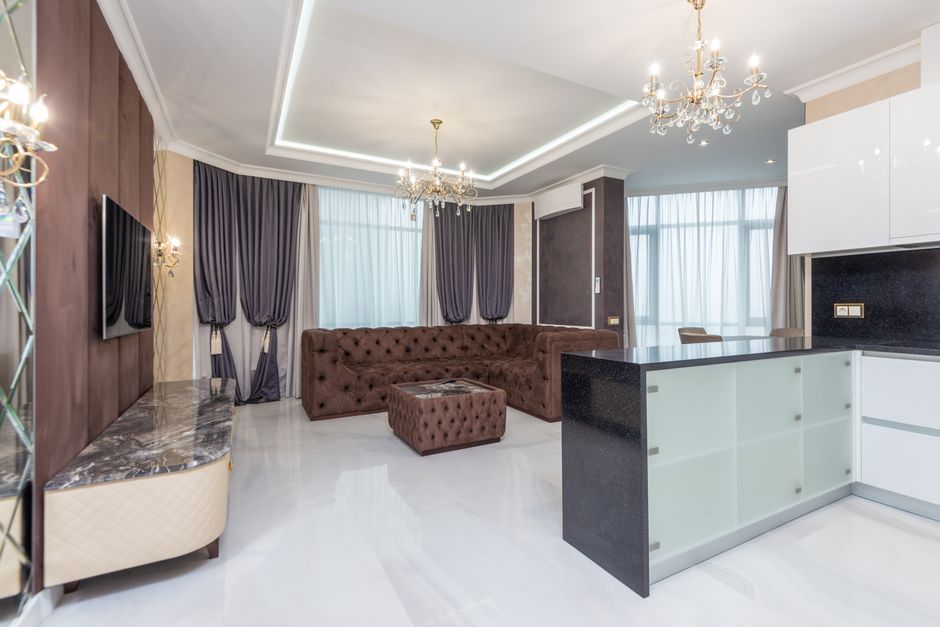
Lighting plays a foundational role in shaping the atmosphere of a living room. It influences how spaces are perceived, how colors appear, and how comfortable people feel within the environment. Selecting a light fixture involves considering both aesthetic preferences and practical requirements. Different fixture types offer distinct distributions of light and visual presence. Understanding these differences can guide the decision-making process toward a solution that aligns with the room’s intended use.
Among the commonly considered options are pendant lights, chandeliers, and recessed lighting. Each brings a unique character to a room. Pendant lights provide directional illumination and can serve as visual focal points. Chandeliers add a sense of elegance and spread light over a larger area. Recessed lights offer a clean, unobtrusive look while delivering ambient light. The choice depends on the room’s layout, ceiling height, and desired mood. The following sections explore how to compare these fixture types and how to align their characteristics with the living room’s style and lighting needs.
Understanding Pendant Lights, Chandeliers, and Recessed Lighting
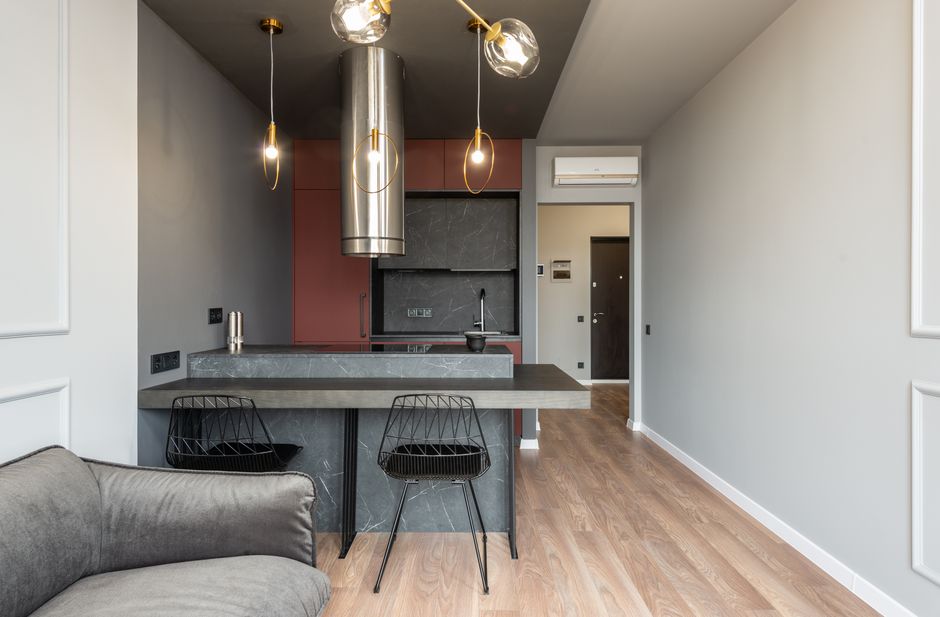
Pendant lights are suspended from the ceiling by a cord, chain, or rod, and they typically direct light downward. They can be used as single fixtures or clustered to cover more space. In living rooms, pendants are often placed above coffee tables, seating areas, or side tables to provide task or accent lighting. Their designs range from simple glass globes to intricate metalwork, making them adaptable to various decor styles.
Chandeliers feature multiple arms or branches that hold light sources, creating a spread of illumination that fills a room. Traditional chandeliers are associated with formal dining rooms, but contemporary designs have made them popular in living rooms with higher ceilings. They function as both a light source and a decorative centerpiece. The light they emit is generally diffuse, contributing to ambient lighting.
Recessed lighting consists of fixtures installed into the ceiling, with the light source appearing flush or slightly protruding. They are often referred to as can lights or downlights. Because they are unobtrusive, recessed lights work well in rooms with low ceilings or where a minimalist aesthetic is desired. They can be used for general ambient lighting, task lighting over specific areas, or accent lighting when aimed at walls or artwork. Their directional nature allows precise control over where light falls.
Matching Light Fixture Style with the Living Room’s Design
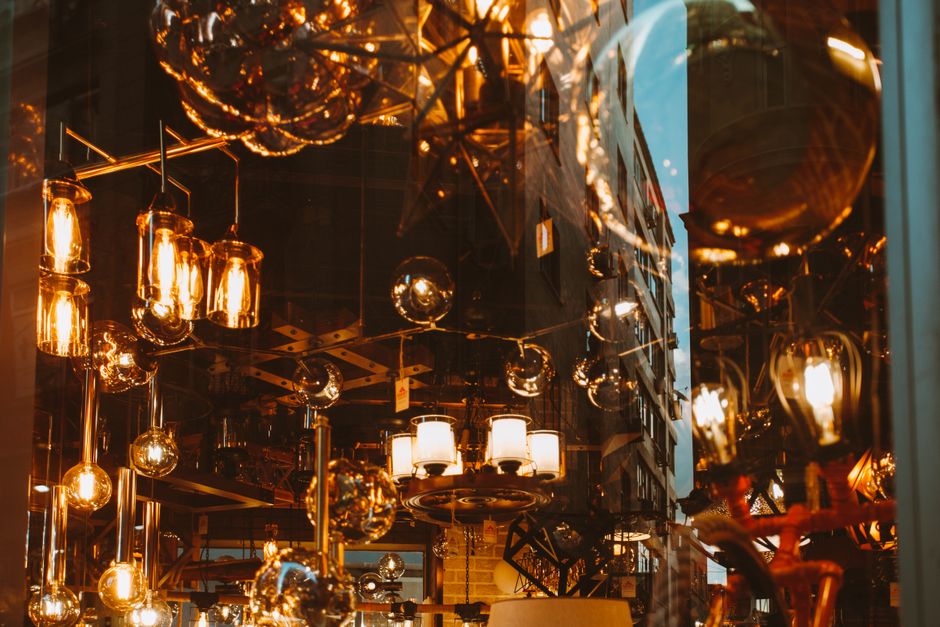
The visual style of a light fixture should complement the existing decor of the living room. For modern or minimalist interiors, clean-lined pendant lights or flush-mounted recessed fixtures often blend seamlessly. Industrial styles may favor exposed bulb pendants or metal chandeliers. Traditional rooms frequently benefit from ornate chandeliers or lantern-style pendants that echo classic detailing.
Finish and material also play a role in the overall look. Brass, chrome, black, and matte finishes each convey a different tone. The size of the fixture relative to the room matters as well. A large chandelier in a small space can feel overwhelming, while a tiny pendant in a large room may go unnoticed. A common guideline is to choose a fixture diameter that is roughly one-half to two-thirds the width of the table or area it lights, though this is not a strict rule.
Manufacturers such as Luminous Solutions offer a range of designs that accommodate different preferences, from simple geometric shapes to more elaborate forms. When evaluating options, it can be helpful to consider the room’s color palette, furniture style, and architectural features to ensure the fixture feels intentional rather than an afterthought.
Balancing Brightness and Light Output
Brightness is measured in lumens, not wattage, and different fixture types distribute these lumens differently. Pendant lights often concentrate light in a specific area, creating pools of brightness that are useful for reading or highlighting a surface. Chandeliers scatter light more widely, which can make a room feel brighter overall but may not provide focused task lighting. Recessed lights can be aimed or fitted with different trims to control the beam spread.
Color temperature, measured in Kelvins, affects the mood of the light. Warmer temperatures (2700K–3000K) produce a cozy, inviting glow suitable for living rooms. Cooler temperatures (3500K–4000K) appear more neutral and are sometimes used in modern spaces, though they may feel less relaxing. Many fixtures allow for dimming, which can adjust brightness and tone to suit different activities throughout the day.
When combining multiple fixtures, it is possible to layer light sources to achieve both ambient and task illumination. For example, a chandelier can provide general light while pendant or recessed lights supplement specific zones. Controlling each layer independently with switches or dimmers offers flexibility. The goal is to create a balanced distribution of light that avoids harsh shadows or overly dark corners.
Considering Ceiling Height and Room Layout
Ceiling height significantly influences which fixture types are practical. In rooms with standard 8-foot ceilings, recessed lighting or flush-mount fixtures are often the most comfortable choices, as hanging pendants or chandeliers may intrude into the walking space. For higher ceilings of 9 feet or more, pendant lights and chandeliers can be hung at a height that leaves clearance while still making a visual impact. A common recommendation is to hang a fixture so that its bottom is at least 7 feet above the floor, but this can vary based on the fixture’s size and the room’s proportions.
The layout of the living room also matters. An open-plan space may benefit from multiple light sources to define different areas. A chandelier centered over a seating group can anchor that zone, while recessed lights along a hallway or near a dining area provide continuity. In more compact rooms, a single statement fixture might suffice, especially if it is designed to illuminate the entire area. The placement of furniture should be taken into account so that light falls where it is most needed, such as over a reading chair or a game table.
Choosing Based on Function and Ambiance
The intended use of the living room guides the type of lighting required. For rooms where people gather for conversation or entertainment, ambient lighting that fills the space evenly is often preferred. Chandeliers or multiple recessed lights can achieve this. For rooms that include reading nooks or workspaces, task lighting from pendant or adjustable recessed fixtures becomes important. Accent lighting, which highlights artwork or architectural details, can be provided by directional recessed trims or small pendants.
Combining fixture types allows for versatility. A living room might have recessed lights for general illumination, a pendant over a side table for reading, and a chandelier as a decorative centerpiece that also contributes ambient light. Dimmers on each circuit provide the ability to shift the mood from bright and alert to soft and relaxing. The choice of fixture ultimately depends on balancing visual style with practical lighting needs, and no single option is inherently superior. Evaluating the room’s dimensions, existing decor, and how the space is used can lead to a well-considered decision.