How to Design Layered Lighting for Your Kitchen
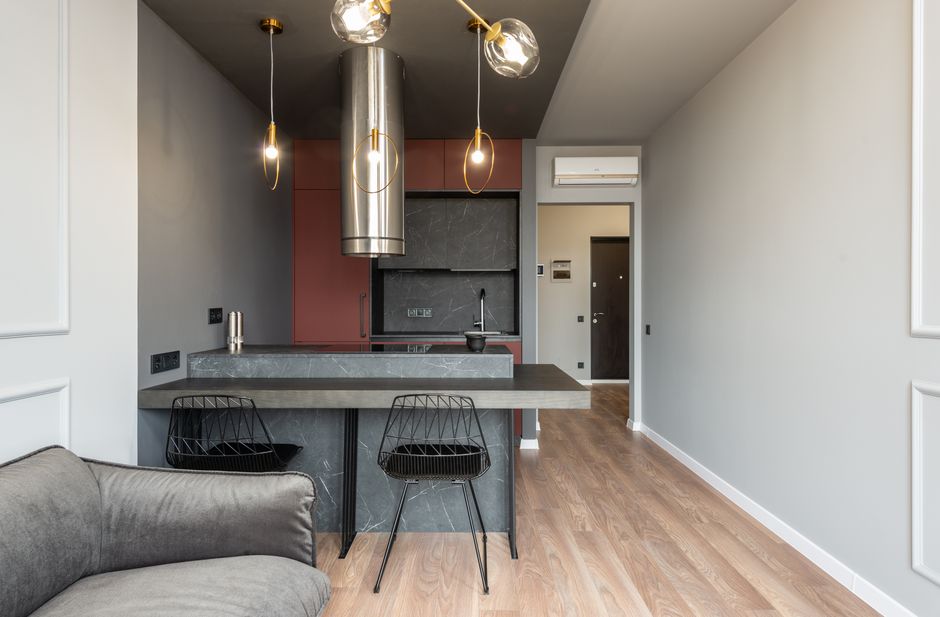
Balanced kitchen lighting relies on more than a single overhead fixture. A well-designed lighting plan involves combining multiple layers of light to support different activities and moods. This approach, often referred to as layered lighting, integrates ambient, task, and accent illumination to create a space that is both functional and inviting. By systematically addressing each layer, it becomes possible to adapt the kitchen’s lighting to various uses—from food preparation and cooking to casual dining and socializing.
The concept of layered lighting recognizes that no single light source can adequately serve all needs. Ambient lighting provides overall illumination, task lighting focuses on specific work areas, and accent lighting highlights architectural features or decor. When these layers are planned together, they complement one another and reduce reliance on any one fixture. This method also helps manage shadows, glare, and visual comfort across the kitchen.
A thoughtful lighting design begins with understanding how the kitchen is used. Different zones—such as the cooking area, prep surfaces, sink, island, and dining nook—require tailored illumination. The goal is to create a cohesive system where each layer serves a purpose while blending seamlessly. The following sections explore how to approach each layer and integrate them into a unified plan.
Understanding the Three Layers: Ambient, Task, and Accent
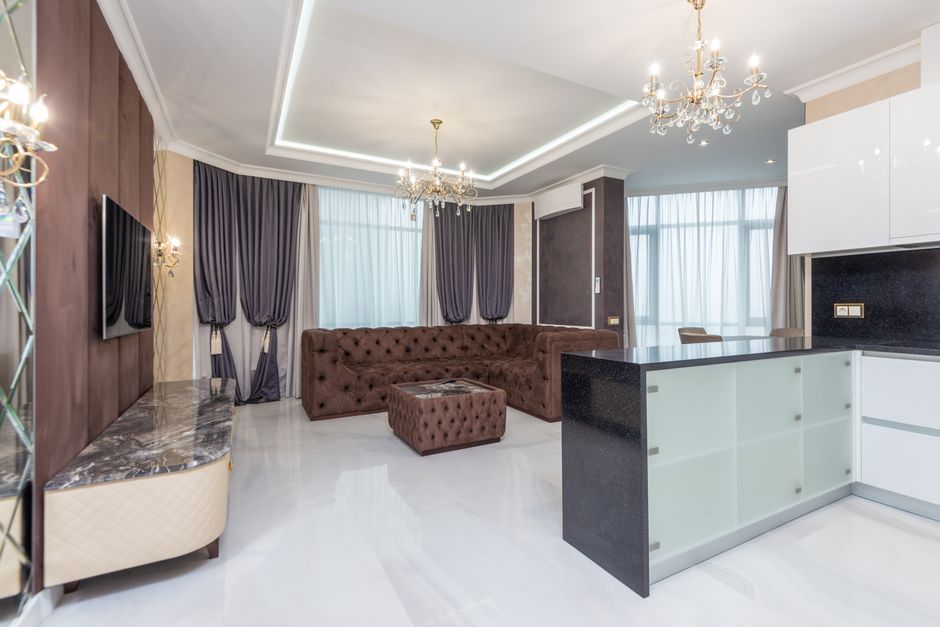
Ambient lighting forms the foundation of any lighting scheme. It provides general illumination that allows movement and orientation within the kitchen. Common sources include ceiling-mounted fixtures, recessed downlights, and track lighting with wide distribution. The primary aim of ambient light is to fill the room with a uniform level of brightness, reducing stark contrasts and creating a comfortable baseline.
Task lighting is directed toward specific work surfaces to support detailed activities such as chopping, reading recipes, or cleaning. Under-cabinet lights are a typical choice for countertops, while pendant fixtures or directional recessed lights can illuminate islands and stoves. The key is to position task lighting so that shadows from the user’s body or cabinets are minimized. Many task lights are designed with adjustable heads or high Color Rendering Index (CRI) values to enhance visibility without causing eyestrain.
Accent lighting adds depth and character by drawing attention to particular elements. In a kitchen, this might include lighting inside glass-front cabinets, along a backsplash, or above open shelving. Accent lights are often lower in intensity than ambient or task lights and are used to create visual rhythm. They can also highlight textures, such as stone or tile, adding a layer of aesthetic interest that contributes to the overall atmosphere of the space.
Planning the Layout: Zoning the Kitchen for Function
Every kitchen contains multiple functional zones, and each zone benefits from a tailored mix of lighting layers. The primary work triangle—comprising the sink, stove, and refrigerator—requires robust task lighting, especially over the prep areas and cooktop. For these areas, under-cabinet fixtures or pendant lights placed directly above can offer focused illumination. The ambient layer should already provide a general background, but task lights are essential for reducing eye fatigue during prolonged use.
Islands and peninsulas often serve dual purposes: food preparation and casual dining. A row of pendant lights or a single linear fixture can provide both task and ambient light depending on the height and beam spread. When pendants are hung lower, they direct light onto the surface below, acting as task lighting; when raised, they contribute more to ambient illumination. For dining areas within the kitchen, a dimmer switch allows the light level to be softened for meals, transitioning from functional to relaxed.
Storage zones, such as pantries and cabinets, may benefit from internal lighting that turns on automatically when doors open. This is a form of task lighting that also adds an accent effect when the doors are closed. Similarly, toe-kick lighting along the base of cabinets can serve as subtle accent or night lighting. By mapping each zone and its activities, it becomes easier to decide where each layer is most needed and how they can overlap without creating competing light sources.
Selecting Light Sources and Fixtures for Each Layer
The choice of light sources influences both the performance and the visual quality of each layer. LEDs are now the most common option due to their efficiency, long life, and variety of color temperatures. For ambient and accent layers, warmer color temperatures—around 2700K to 3000K—tend to create a welcoming environment. For task lighting, a slightly cooler temperature, such as 3500K to 4000K, can enhance contrast and alertness, though personal preference and the overall color scheme of the kitchen also matter.
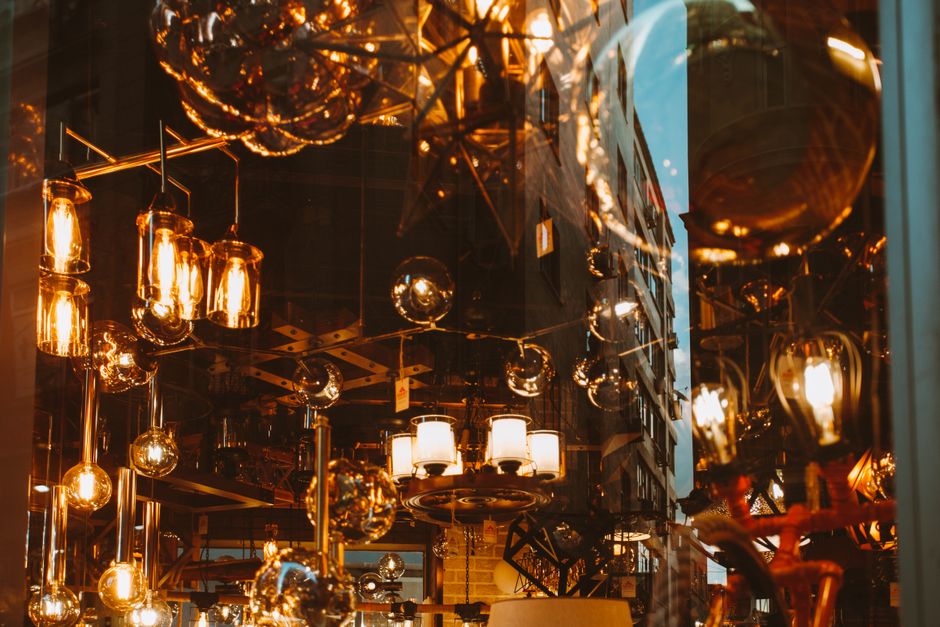
Fixtures should be selected based on their ability to distribute light appropriately. Recessed downlights with adjustable trims can be aimed to accent walls or countertops while contributing to ambient light. Track lighting offers flexibility to reposition heads as needed. Under-cabinet fixtures come in linear strips or individual puck lights, with some offering directable beams. Pendant fixtures are available with various shades and diffusers that affect how light spreads—wide-open shades provide broader ambient light, while narrower shades concentrate light downward for task purposes.
Accent lighting often uses low-voltage strip lights or small spotlights that can be concealed. When choosing fixtures, it is helpful to consider compatibility with dimming systems, as this adds another layer of control. The CRI of the light source is also relevant, especially for task and accent layers, because it affects how colors of food, finishes, and decor appear. A high CRI (90 or above) is generally preferred for spaces where color accuracy matters.
Incorporating Dimmers and Control Systems
Dimmers are a valuable addition to any layered lighting plan because they allow the intensity of each layer to be adjusted independently. This means that the same fixtures can produce bright task-oriented illumination during cooking and softer atmospheric light during a meal. Dimmers also help extend the lifespan of bulbs and reduce energy consumption, though these are secondary benefits. The most straightforward approach is to install dimmer switches for each layer or zone, but more advanced control systems can integrate multiple layers into preset scenes.
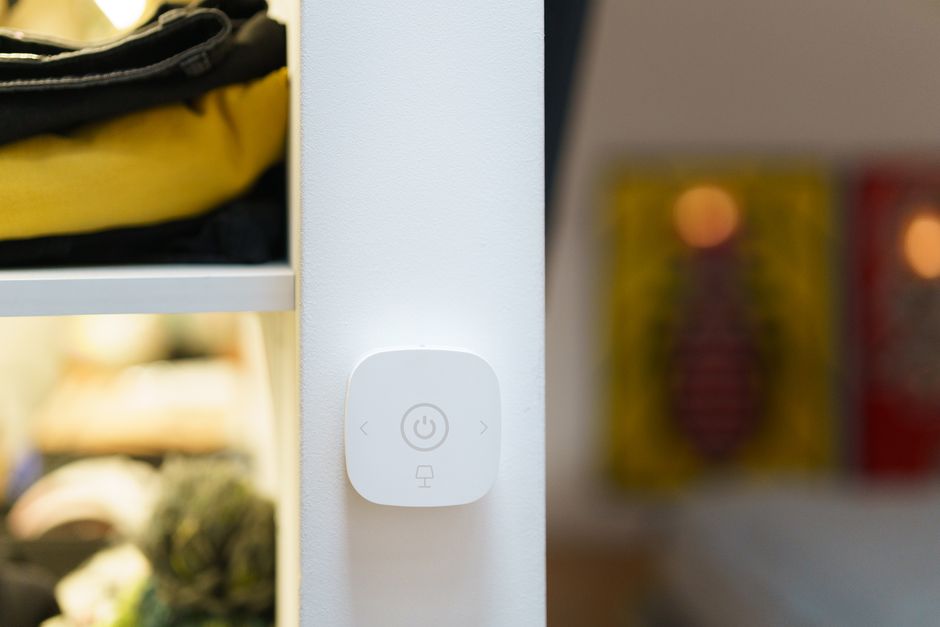
Smart lighting controls take flexibility further by enabling changes through mobile apps, voice commands, or automated schedules. For example, a morning scene might activate under-cabinet and pendant lights at full brightness, while an evening scene might dim the ambient layer and boost accent lights. Some systems can synchronize with natural light sensors to adjust artificial lighting as daylight fades. While not essential, such controls can simplify daily adjustments and ensure that the kitchen lighting adapts to changing needs without manual intervention.
When planning controls, it is important to verify that the selected fixtures and dimmers are compatible. Not all LED bulbs work with standard dimmers, and some require special drivers. Consulting product specifications or working with a qualified electrician can help avoid compatibility issues. The goal is to create a system where each layer can be fine-tuned without affecting the others, providing the desired level of control over the kitchen’s lighting environment.
Managing Glare and Visual Comfort
Glare occurs when a light source is too bright relative to the surrounding area or when it shines directly into the eyes. In a kitchen, common sources of glare include uncovered pendant bulbs, poorly positioned under-cabinet lights, and reflective surfaces such as stainless steel or polished granite. To reduce glare, fixtures should be selected with appropriate shielding or diffusers. For example, under-cabinet lights with a frosted lens spread the light more evenly and reduce harsh hotspots.
Placement also plays a role in visual comfort. Task lights should be positioned so that they illuminate the work surface from above and slightly in front of the user, rather than behind. This prevents the user from casting shadows onto the task. Ambient lights should be located to avoid creating bright patches that contrast with darker areas. In kitchens with glossy backsplashes or countertops, it may help to use multiple smaller light sources instead of a few intense ones, as this reduces sharp reflections.
Layering itself helps manage glare by distributing light across different planes and intensities. When ambient, task, and accent lights are balanced, no single area becomes excessively bright. Dimmers allow further fine-tuning to match the specific activity and time of day. Ultimately, the goal is to create a comfortable visual field where the eyes do not have to constantly adapt between bright and dark zones, which can lead to fatigue over extended periods.
Integrating Natural Daylight in the Lighting Scheme
Natural light from windows, skylights, or glass doors provides a dynamic ambient layer that changes throughout the day. A thoughtful lighting design takes this variability into account instead of treating artificial light as a fixed replacement. During the day, less artificial ambient light may be needed, while task and accent layers should still be available for specific activities. Dimmers and zone controls make it easy to reduce ambient output when sunlight is abundant.
The orientation of windows and the presence of shading devices affect how daylight enters the kitchen. South-facing windows tend to bring in consistent light, whereas north-facing ones offer softer, cooler illumination. Skylights can introduce light from above, reducing shadows, but they may create glare if not properly positioned. When planning artificial lighting, it can be helpful to observe how natural light falls on different surfaces at various times and then fill in the gaps with task or accent layers.
Some lighting control systems can automatically adjust artificial output based on daylight sensors, maintaining a stable overall illumination level. This approach can be particularly useful in kitchens where the natural light changes abruptly due to cloud cover or nearby structures. Whether using manual or automated adjustments, the principle remains the same: the artificial layers are designed to complement natural light, ensuring that the kitchen remains inviting and functional regardless of the time of day or weather conditions.