Energy-Efficient Lighting Solutions for Warehouses
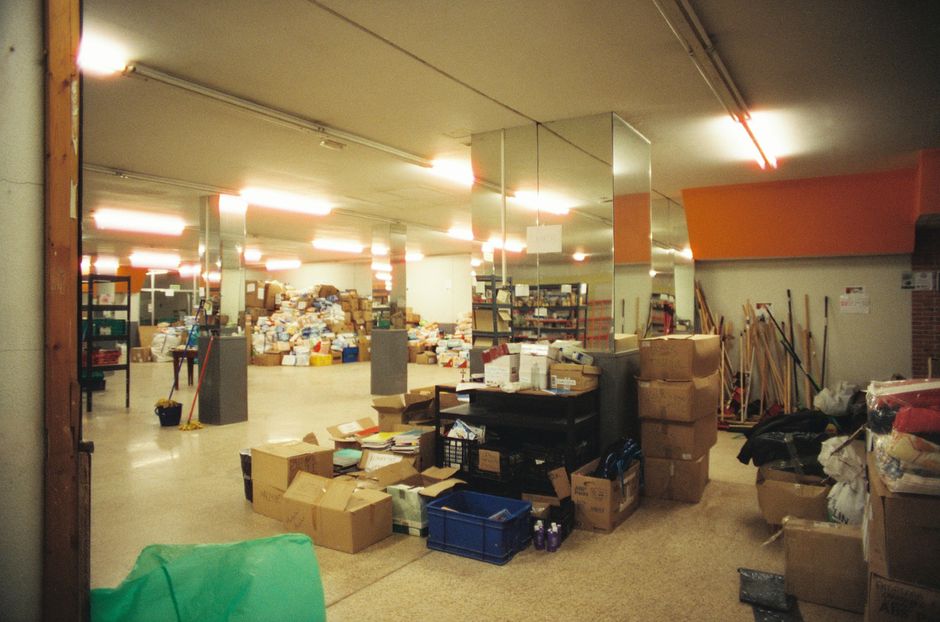
Warehouse lighting presents a unique set of challenges. Large open spaces, high ceilings, and the need for consistent visibility across aisles and loading areas demand fixtures that deliver both power and precision. Traditional lighting options, such as metal halide or fluorescent high bay lamps, often consume substantial amounts of electricity while requiring frequent maintenance. As operational costs rise and sustainability goals become more common, many facility managers are exploring ways to improve energy performance without compromising the quality of light. This shift has led to increased interest in modern LED high bay fixtures and intelligent control systems that adapt to real‑time conditions.
When selecting lighting for a warehouse, it is important to consider not only the initial investment but also long‑term operating expenses. LED technology has advanced significantly over the past decade, offering higher efficacy, longer service life, and better light distribution than older sources. Coupled with sensors and automated controls, these systems can adjust output based on occupancy, time of day, and available daylight. By understanding the core components and their interplay, facilities can develop a strategy that aligns with both budgetary and operational priorities.
The following sections outline key aspects of energy‑efficient warehouse lighting, from fixture selection to control methodologies. Each element plays a role in creating a balanced environment that supports worker safety and productivity while moderating electricity use.
Understanding LED High Bay Fixtures
LED high bay fixtures are designed specifically for spaces with ceiling heights of fifteen feet or more. Unlike traditional lamps that emit light in all directions, LED arrays focus illumination downward, reducing wasted light that bounces off walls and ceilings. This directional output allows fewer fixtures to cover the same area, which can lower installation and maintenance requirements. Many models also offer multiple beam angles, giving designers flexibility to tailor the distribution pattern to aisle widths and rack heights.
The luminous efficacy of LED high bay fixtures typically ranges from 130 to 170 lumens per watt, depending on the driver quality and thermal management. In contrast, metal halide fixtures often achieve only 50 to 100 lumens per watt. Over the lifespan of a warehouse operation, this difference translates into significant reductions in energy consumption. Additionally, LEDs have a rated life of 50,000 to 100,000 hours, compared to 10,000–20,000 hours for high‑intensity discharge lamps. Fewer replacements mean lower labor costs and less disruption to daily workflows.
Color temperature is another important factor. Warehouses commonly use a cool white light around 4000K to 5000K, which mimics daylight and helps workers see details clearly. Higher color rendering index (CRI) values, typically above 80, ensure that safety markings, labels, and product colors are distinguishable. When evaluating fixtures, it is advisable to review photometric reports and consider how the light interacts with the specific layout and tasks performed in the facility.
Control Systems for Adaptive Lighting
Even the most efficient LED fixtures can be made more effective when paired with appropriate control strategies. Occupancy sensors, for example, detect movement in a zone and automatically dim or switch off lights when the area is unoccupied. In warehouses where certain aisles experience sporadic traffic, this approach prevents energy from being wasted during low‑activity periods. Time‑based scheduling can also be programmed to match shift patterns, ensuring that lights are active only when needed.
Daylight harvesting is another method that reduces reliance on artificial lighting. Sensors placed near windows, skylights, or clerestories measure ambient light levels and communicate with the control system to dim the LED fixtures accordingly. In facilities with extensive daylight penetration, this can lead to noticeable reductions in electricity use during peak solar hours. It is important, however, to calibrate sensors properly to avoid flickering or inadequate illumination on cloudy days.
Wireless control networks have become more common in warehouse settings because they simplify installation and reconfiguration. Without the need for running additional low‑voltage wiring, retrofits can be completed more quickly, and zones can be adjusted as inventory layouts change. Some systems also provide monitoring dashboards that display real‑time energy data and fixture status. Facility managers can use this information to identify underperforming areas or to fine‑tune schedules for greater efficiency.
Fixture Placement and Lighting Design
The physical arrangement of high bay fixtures directly affects both visibility and energy performance. A well‑designed layout minimizes shadows and dark spots while avoiding excessive overlapping of light beams. Typically, designers use computer‑aided lighting simulation software to model the space and calculate illuminance levels according to industry standards, such as those set by the Illuminating Engineering Society (IES). Factors considered include ceiling height, rack orientation, floor reflectivity, and the intended tasks.
For narrow aisles, linear or row‑mounted fixtures may provide better uniformity than square‑pattern grids. In bulk storage areas with tall racks, asymmetric optics can direct light into vertical faces, helping workers read labels and locate items quickly. If the warehouse includes mezzanines or office spaces, separate zones may benefit from different lumen outputs or color temperatures. The goal is to achieve adequate foot‑candle levels without using more fixtures than necessary.
Retrofitting an existing warehouse often requires accounting for legacy electrical infrastructure. Some facilities have three‑phase power at high voltages, which may necessitate compatible drivers or transformers. When replacing older fixtures with LED equivalents, it is also worth checking whether the existing mounting hardware can support the weight and orientation of the new luminaires. A thorough site assessment, conducted by a qualified lighting professional, helps avoid compatibility issues and ensures that the final installation meets safety codes.
Integration with Building Management Systems
Many warehouses already have a building management system (BMS) that oversees HVAC, security, and other utilities. Integrating lighting controls into this platform can provide a unified view of energy usage across the facility. For example, occupancy data from luminaires can be shared with the HVAC system to adjust airflow in occupied zones, or security cameras can trigger increased lighting in response to after‑hours motion.
Luminous Solutions offers control hardware and software that interface with common BMS protocols such as BACnet and Modbus. This compatibility allows facility teams to set rules that coordinate different subsystems without requiring custom programming. A facility manager might schedule the lights to dim during peak demand events, reducing load on the electrical grid and potentially lowering demand charges. Over time, the aggregated data from multiple sensors can reveal patterns that inform broader operational improvements.
Before integrating, it is advisable to verify that the lighting control system’s cybersecurity features meet the organization’s policies. Networked devices can be vulnerable to unauthorized access if not properly segmented. Modern controls typically include encryption and role‑based permissions to limit changes to authorized personnel only. These safeguards help maintain reliable operation and protect sensitive building data.
Maintenance and Long‑Term Considerations
While LED fixtures require less frequent maintenance than traditional sources, they still benefit from a planned approach to cleaning and inspection. Dust accumulation on lenses can reduce light output by 20% or more over a few months, especially in environments with airborne particulates. A simple schedule of wiping down fixtures every three to six months helps maintain the designed illuminance and prevents the control system from compensating with higher power levels.
Driver failure is one of the most common issues with LED lighting. Drivers convert incoming power to the low‑voltage DC required by the LED chips, and their lifespan can be affected by heat, voltage fluctuations, and component quality. Selecting fixtures with replaceable drivers or those rated for extended life can simplify repairs. Some manufacturers, including Luminous Solutions, offer modular designs that allow a technician to swap a driver in minutes without replacing the entire luminaire.
Finally, it is useful to track energy savings over time using submeters or the data collected by the control system. Comparing current consumption against baseline measurements made before the retrofit provides tangible feedback on the effectiveness of the chosen solution. If savings fall short of projections, adjustments such as revising sensor sensitivity or adding supplemental fixtures in problem areas can be explored. The process of continuous improvement ensures that the lighting remains aligned with the evolving needs of the warehouse.