The Role of Lighting in Retail Store Atmosphere
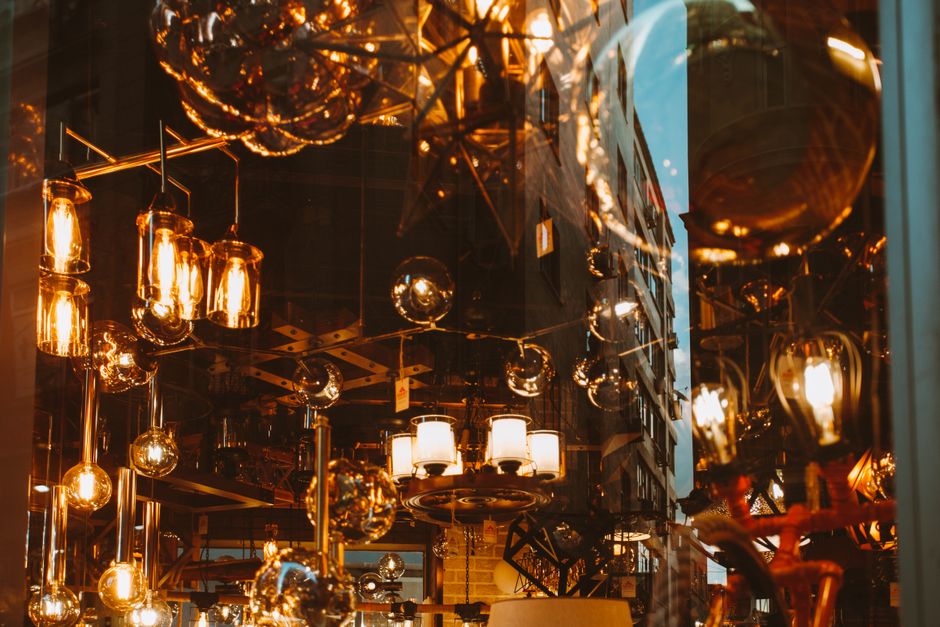
In retail design, lighting serves as a foundational element that shapes how customers perceive a space and its merchandise. Strategic decisions about fixture placement and color temperature influence mood, attention, and decision-making processes. Retailers aiming to create an inviting and effective store atmosphere must consider these two variables as interconnected components that work together with layout, product type, and target demographics.
The arrangement of light sources guides visual flow, defines functional zones, and highlights key products. Color temperature—ranging from warm amber tones around 2700K to cool blue-white light near 5000K—evokes different emotional responses and sets the overall tone for the shopping experience. This article explores how fixture positioning and color temperature can be combined methodically, offering a process-oriented perspective on developing a lighting strategy. It is important to note that outcomes depend on many contextual factors, and the following sections focus on approaches rather than guaranteed results.
The Foundation: Light Layers and Fixture Positioning
Lighting design in retail typically follows a layered system that includes ambient, task, and accent lighting. Ambient lighting provides overall illumination, ensuring customers can move safely and comfortably. Task lighting focuses on areas where detailed activities occur, such as checkout counters or fitting rooms. Accent lighting draws attention to displays, signage, or featured merchandise by creating contrast. The placement of fixtures determines how these layers interact and how light falls on surfaces.
For instance, track lighting mounted on ceiling rails can be adjusted to aim accent beams at changing seasonal displays. Recessed downlights offer even ambient coverage without visual clutter, while wall-washing techniques—where lights are placed close to walls—can make a store feel larger and more open. Each positioning choice influences the perceived appearance of products, affecting their color, texture, and depth.
Retailers may experiment with fixture height, beam angles, and spacing to achieve the desired emphasis. A common methodology involves mapping out the intended use of each zone: entrance, main aisles, feature displays, and checkout areas. By adjusting intensity and focus per zone, stores can subtly steer customer attention without relying solely on signage. This approach relies on careful observation and iteration, as the effect of a given placement can vary with store layout and merchandise colors. There is no universal solution; the process involves both creative design and empirical testing.
Color Temperature as a Psychological Tool
Color temperature, measured in Kelvins (K), describes the visual warmth or coolness of a light source. Lower values (around 2700K to 3000K) produce a warm, golden glow often associated with comfort, relaxation, and intimacy. Higher values (4000K to 5000K) yield a cooler, bluish light that can feel crisp, alerting, and modern. In retail, the choice of color temperature should align with the atmosphere a store intends to create and the nature of the merchandise.
Warm light is frequently used in stores selling home goods, jewelry, or luxury items, as it can make materials appear richer and more inviting. Cool light may be preferred in environments where clarity and color accuracy are important, such as electronics stores or grocery produce sections, where customers need to assess quality. However, these are general tendencies rather than fixed rules, because customer preferences and brand identity also play a role.
Research in environmental psychology suggests that lighting color can influence perceived wait times, comfort levels, and even spending patterns, but these effects are mediated by individual differences and situational factors. For example, a warm-lit café might encourage longer stays, while a brightly lit convenience store may facilitate quick transactions. Retailers can test different color temperatures in specific zones, comparing behavioral data such as dwell time, conversion rates, and customer feedback. The methodology involves systematic A‑B testing over periods, while controlling for other variables such as promotions or time of day.
Synthesizing Placement and Temperature for Coherent Atmosphere
The true strategic value emerges when fixture placement and color temperature are considered together. A well-placed accent light with a warm hue can create an intimate spotlight on a display, whereas a cool accent might give a modern, high-tech feel. The combination must be consistent with the store’s overall branding and functional requirements.
For example, in a clothing boutique, ambient lighting might use a warm neutral tone (around 3000K) to flatter skin tones, while accent lights on seasonal displays could be slightly cooler to make colors pop. In a grocery store, ambient lighting might be cooler (4000K) for general visibility, but the produce section could incorporate warmer accent lights to enhance the natural appearance of fruits and vegetables. Such decisions require understanding how light interacts with materials: warm light can make reds and yellows appear more vibrant, while cool light can emphasize blues and greens.
Developing a unified lighting scheme involves mapping each zone’s intended emotional cue and functional need. Retailers may work through a series of design iterations, using mock-ups or temporary fixtures to test combinations before committing to permanent installations. This process acknowledges that lighting is not a one-time decision but an adjustable element that can evolve with seasonal changes, promotions, or store renovations. Collaboration with lighting designers or consultants can provide additional expertise in achieving the desired balance.
Evaluating and Refining Lighting Approaches
Measuring the effectiveness of a lighting strategy requires a combination of objective metrics and subjective observation. Tools such as a lux meter quantify light levels, while a color rendering index (CRI) assesses how accurately colors appear under a given source. These measurements provide a baseline to ensure minimum visibility standards are met and to compare different configurations.
Beyond technical readings, retailers can analyze customer behavior: foot traffic patterns, time spent in specific aisles, and conversion rates at different displays. A‑B testing with different lighting configurations in controlled periods can reveal which setups correlate with higher engagement. It is important to control for other variables such as promotions, staffing, and time of day to isolate the lighting effect, though perfect isolation is rarely achievable in a real store environment.
Feedback from staff and customers offers qualitative insights that complement numerical data. For instance, associates might notice that certain lighting makes it easier to assist customers in finding products, or that customers comment on the atmosphere. Based on this information, adjustments can be made incrementally — changing a few fixtures, dimming or brightening certain zones, or shifting color temperature within a range. The goal is continuous improvement rather than a final, static solution.
Lighting Within the Larger Retail Ecosystem
Lighting does not operate in isolation; it interacts with other elements of store design such as wall colors, flooring, music, and scent. A cohesive atmosphere requires that all sensory cues work in harmony. For example, warm lighting combined with soft music and earthy tones may help create a relaxing environment suitable for browsing, while cool lighting with up-tempo music might energize a space intended for quick purchases.
Energy efficiency and maintenance considerations also affect long‑term practicality. LED fixtures offer flexibility in both color temperature and dimming, enabling dynamic lighting schemes that can be programmed for different times of day or special events. Some retailers collaborate with specialists—such as those from Luminous Solutions—to develop tailored lighting strategies that integrate technical expertise with design vision. Engaging a professional can help ensure that the chosen approach meets regulatory standards, budget constraints, and aesthetic goals.
Ultimately, the role of lighting in retail atmosphere is one of many interdependent choices that shape the customer experience. By approaching fixture placement and color temperature as adjustable variables within a broader system, retailers can make informed decisions that reflect their unique context. The most effective strategies are those that are tested, observed, and refined over time, in response to real‑world behavior and feedback.